Battery storage and BESS
Review battery power/capacity, reserve settings, inverter and controls, metering, communications, and any required interconnection/export approvals. Explore battery-system installation.
EV Charging Installers of America supports virtual power plant (VPP) projects with site electrical assessment, installation, integration, commissioning, and maintenance scoped to eligible assets. We work with property owners, developers, and program providers to define the physical infrastructure required by the selected equipment and program.
New Jersey and regional projects are reviewed by address, service, utility requirements, and scope. Check service-area details.
A virtual power plant coordinates distributed energy resources—such as batteries, flexible EV charging, or other controllable loads—so they can respond together under an operator’s control and program rules. It is not a single piece of electrical equipment.
EVCIA’s offering is electrical infrastructure and field service. This page does not represent EVCIA as a utility, electricity supplier, aggregator, market participant, or operator of a specific VPP program. Enrollment and dispatch arrangements must be confirmed with the responsible provider.
The specific program determines eligible devices, territories, controls, and operating requirements.
Review battery power/capacity, reserve settings, inverter and controls, metering, communications, and any required interconnection/export approvals. Explore battery-system installation.
Compatible charging can be scheduled or curtailed within mobility requirements. A VPP may use flexible consumption without discharging a vehicle. Plan commercial charging.
Where a supported and approved V2G pathway exists, vehicles may provide energy through the charger and site infrastructure. Review V2G feasibility.
Solar, storage, loads, and controls must work within site limits. The presence of solar or a connected device alone does not establish VPP eligibility.
Define a repeatable field scope before a single-site or portfolio rollout.
Review the address, existing service and distribution, equipment locations, asset condition, available documentation, access constraints, and required permits.
Scope the agreed equipment, circuits, protection, meters, control wiring, communications interfaces, labeling, utility coordination, and vendor responsibilities.
Agree on functional checks, settings, documentation, provider-required communications tests, punch-list closure, and responsibilities for program acceptance.
Plan inspections, electrical diagnostics, corrective work, equipment records, communications/vendor escalation, access, and any separately agreed response targets.
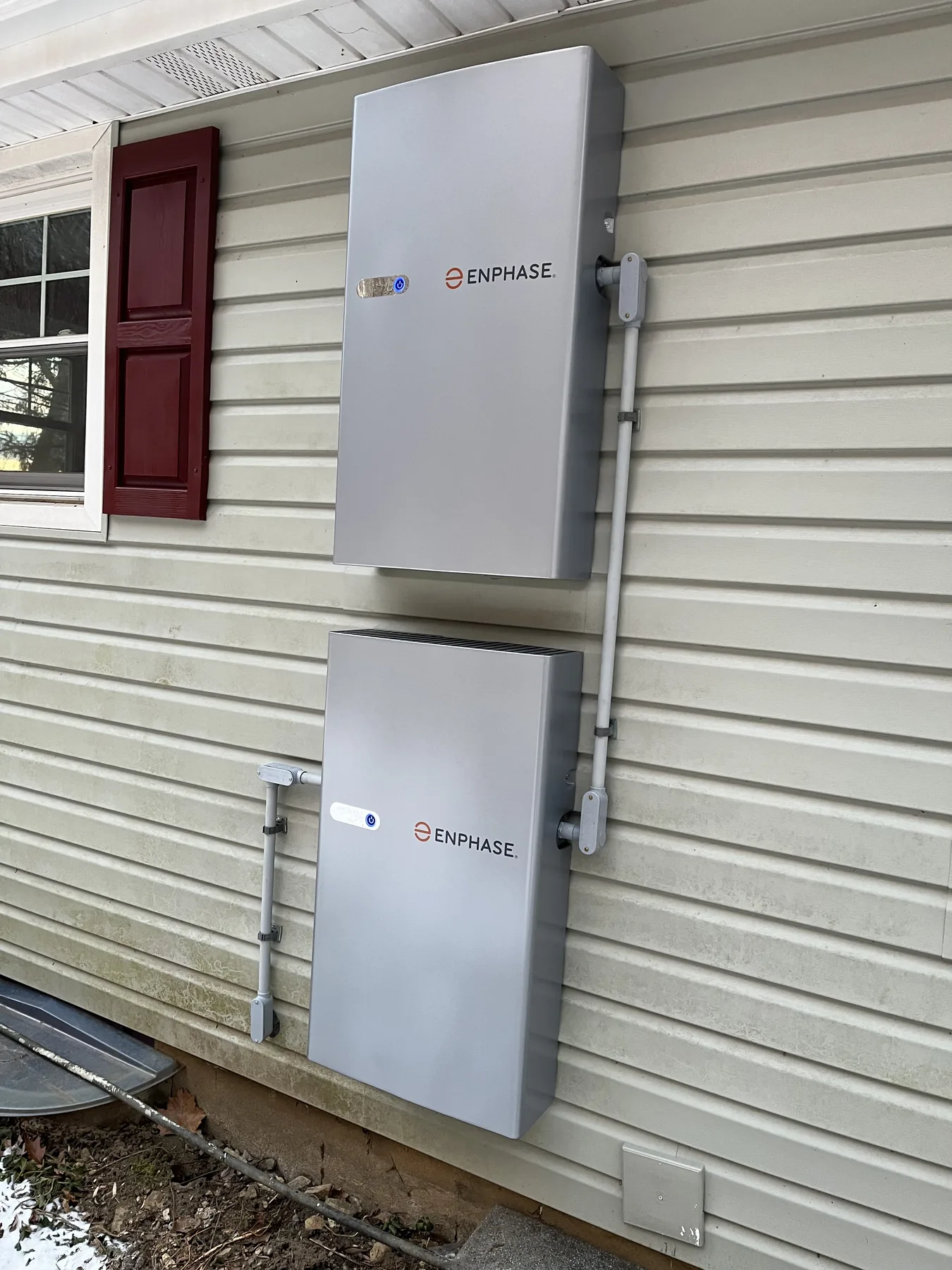
This published battery installation demonstrates electrical field work. It does not establish VPP enrollment or dispatch performance. A VPP deployment requires its own approved equipment, controls, utility/program acceptance, and commissioning requirements.
View Battery Installation ExamplesLooking for an electrical installation and maintenance contractor—not another software platform? Start with the deployment requirements.
Each location is checked for jurisdiction, availability, equipment support, and project fit. No unverified program affiliation is implied.
Clear answers before equipment is selected or work is scheduled.
No. Some resources provide flexibility by reducing or shifting consumption; others may supply energy where authorized. The program and equipment determine the permitted function.
Not exactly. Demand response changes consumption or asset operation for an event or signal. A VPP aggregates and coordinates distributed resources and may provide demand response among its services.
No. Device eligibility, utility territory, communications, control access, reserve requirements, program acceptance, and agreements must be confirmed separately.
No. Program payments, availability obligations, dispatch performance, fees, and penalties are determined by the applicable agreements and measured results. Electrical installation does not guarantee enrollment or earnings.
These references explain the technology; they do not establish EVCIA’s participation in any utility or aggregator program.
Send the site/portfolio overview and provider requirements. EVCIA will review the electrical work, jurisdiction, integration responsibilities, and next steps.