Redefining Energy Independence through EV charging, solar, battery storage, V2H, demand response, and service.
Call 855-373-9566
Home Energy Resilience

Solar + Battery Backup, Designed as One System.

Whether you are starting with a new solar array or adding storage to panels you already own, the best result begins with one plan for generation, backup priorities, electrical integration, permits, controls, and commissioning.

No generic runtime promises. We size and configure the system around your home, equipment, and backup goals.

Start where you are

Two homeowner paths. One integrated design process.

Choose the path that matches your property today. Both begin with your backup priorities and an electrical compatibility review—not a one-size-fits-all equipment package.

1

I want new solar and battery storage

Plan the solar array, battery, backup equipment, and electrical work together from the beginning.

  • Review energy use, roof or site conditions, and future loads
  • Define what should remain powered during an outage
  • Coordinate solar, storage, controls, and service equipment
  • Plan permits, utility interconnection, inspection, and commissioning
Plan a New Solar + Battery System
2

I already have solar and want to add backup power

Start with the system you own. We review the existing array, inverter, monitoring, electrical service, and interconnection before recommending a storage approach.

  • Document existing solar and electrical equipment
  • Check battery, inverter, gateway, and control compatibility
  • Determine which equipment can remain and what must change
  • Design the backup scope around selected loads and available capacity
Evaluate My Existing Solar
Backup priorities

Start with what you need powered—not a battery model.

A useful design conversation begins with the loads that matter to your household. Battery capacity, power output, solar production, equipment limits, and the home's electrical configuration all affect what can operate and for how long.

01

Essential circuits

Identify the loads you consider essential, such as refrigeration, selected lighting, communications, well equipment, medical needs, or heating-system controls.

02

Larger home loads

Air conditioning, electric heat, cooking equipment, pumps, and EV charging can materially change power and storage requirements. We review them rather than assume.

03

How you want to operate

Discuss outage priorities, battery reserve preferences, expected manual decisions, and whether future solar, EV charging, or electrification should be considered now.

Technical basis: U.S. Department of Energy guidance explains that backup duration depends on stored energy, supported loads, and available sunlight. No fixed runtime is promised without a project-specific assessment.

A common surprise

Solar panels alone usually do not provide power during a grid outage.

Most grid-connected residential solar systems shut down when the grid is out. Backup requires a properly configured system that can safely isolate from the utility and coordinate the solar, battery, inverter, transfer or control equipment, and selected home loads.

  • New systems can be planned for backup from the start.
  • Existing solar may be able to accept storage, but compatibility must be confirmed.
  • “Whole home” and “essential loads” are design choices with different requirements.

Source: U.S. Department of Energy, “Solar and Resilience Basics.”

System design and electrical integration

The equipment has to work together—and with your home.

Our role is to connect the homeowner's goals to a buildable, permitted electrical system. Final equipment and scope depend on the site assessment, proposed design, manufacturer requirements, utility rules, and the authority having jurisdiction.

PV

Solar design

Review array location, production goals, inverter approach, shutdown requirements, routing, and how solar will interact with storage and backup controls.

B

Battery and controls

Match usable storage and power capability to the selected backup scope, then coordinate gateways, controllers, transfer equipment, and monitoring.

AC

Home electrical system

Evaluate service capacity, panel configuration, grounding, disconnects, equipment locations, conduit routes, and any required backed-up-loads panel.

EX

Existing-system compatibility

Identify the installed modules, inverter or microinverters, monitoring gateway, interconnection, warranties, and documentation before selecting a retrofit path.

P

Permits and interconnection

Coordinate required design documents, permits, utility submissions, inspections, and permission to operate. Requirements and timing vary by location and utility.

OK

Commissioning

Verify installation, startup, communications, operating modes, and homeowner handoff. Backup operation is checked against the approved system design.

What the consultation includes

A clear path from goals to an operating system.

Every project is different, but the decision process should be understandable.

Initial fit

We confirm the address, utility, current solar status, project path, and basic backup goals.

Site and equipment review

We document the roof or array, inverter, meter, service, panels, loads, equipment locations, and practical wiring routes.

Backup-priority discussion

We separate essential loads from larger discretionary loads and discuss future electrification plans.

System design and proposal

We define the proposed equipment, electrical scope, responsibilities, exclusions, and project-specific assumptions.

Permits, utility, and installation

Required approvals are coordinated before installation proceeds. Utility and jurisdiction requirements vary.

Commissioning and handoff

We start up and verify the installed system, confirm monitoring and operating modes, and review homeowner use.

Documented installation proof

Residential energy integration is already part of EVCIA's field work.

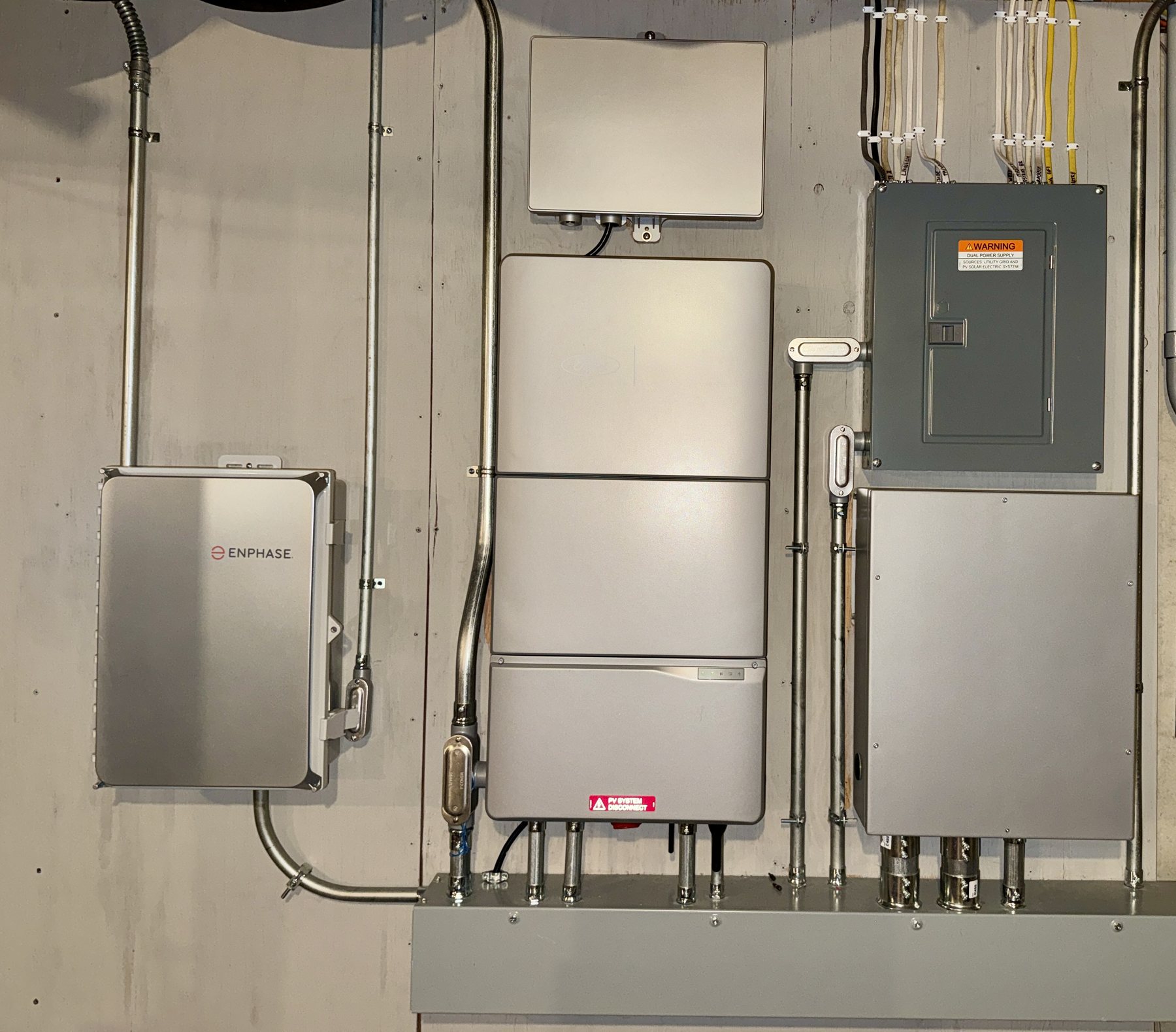
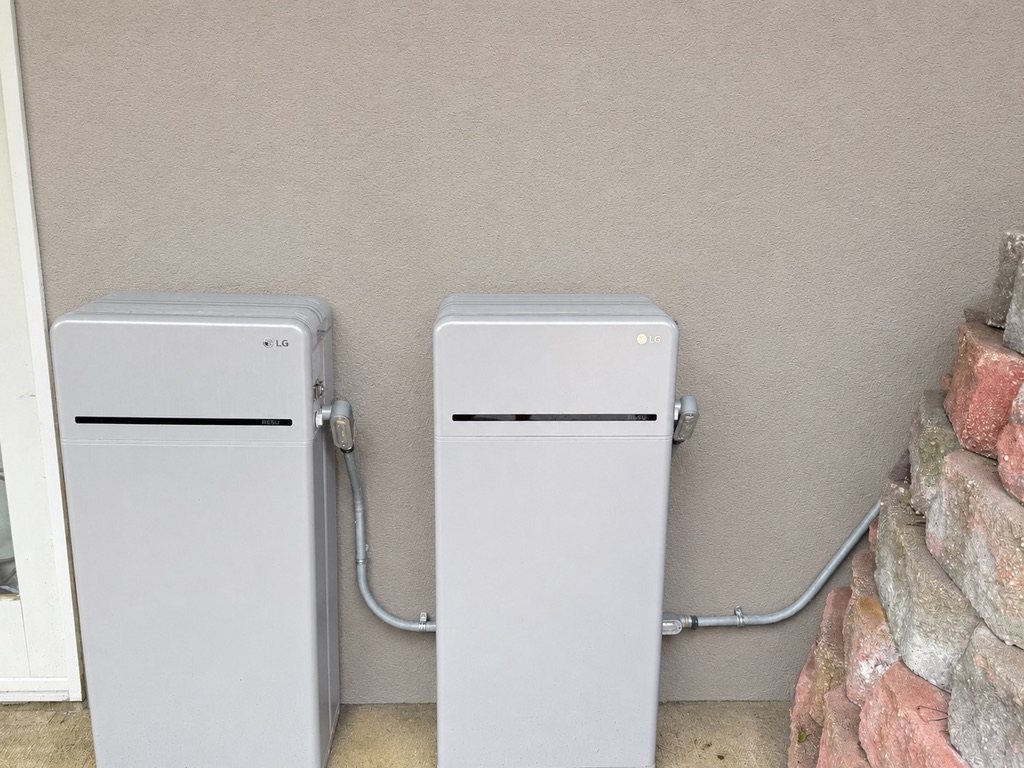
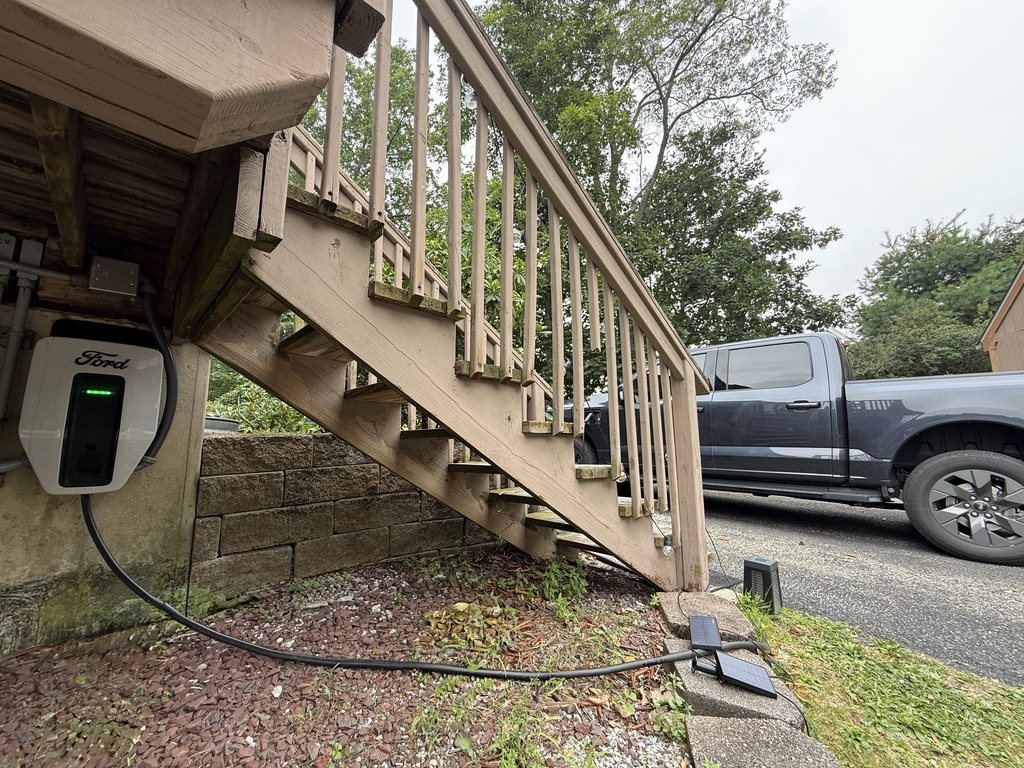
One published EVCIA residential project combines a Ford Charge Station Pro, two 16 kWh LG batteries, existing Enphase solar equipment, and home electrical-service integration.

Verified project factTwo 16 kWh batteries provide 32 kWh of combined stationary storage on this documented installation. The Enphase solar equipment was already present; this page does not claim EVCIA installed the original solar array.

See more documented residential energy installations

Residential electrical and home-energy integration equipment installed beside existing Enphase solar equipment
Home-energy and electrical-service integration with existing solar equipment.
Two 16 kWh LG residential batteries installed side by side
Two 16 kWh LG batteries; 32 kWh combined stationary storage.
Ford Charge Station Pro installed beside a residence
Ford Charge Station Pro as part of the documented home-energy system.
Short initial qualification

Six questions are enough to start.

You do not need a finished design. These answers help us route the consultation and identify what should be reviewed first.

1. What is the project address and electric utility?Utility and jurisdiction affect interconnection, permits, and project eligibility.
2. Do you want new solar, or do you already have solar?If existing, share the installer, approximate installation year, and equipment information if available.
3. What do you want powered during an outage?List essential loads first, then larger loads you would like us to evaluate.
4. Do you have recent electric bills or annual usage?Usage history helps frame solar production and storage discussions.
5. Where are the meter, main panel, solar equipment, and proposed battery area?A few overview photos can make the first review more productive.
6. Are you planning other major electric loads?Tell us about EV charging, heat pumps, electric water heating, pools, additions, or other expected changes.
Homeowner questions

Plain-English answers before you choose equipment.

Can I add a battery to the solar system I already have?

Often, yes—but the right approach depends on the installed inverter or microinverters, monitoring and control equipment, service configuration, available space, manufacturer requirements, and your backup goals. We begin with a compatibility and design review.

Will solar keep my home powered when the grid goes out?

Not by itself in most grid-connected systems. Outage operation requires compatible solar, storage, controls, and isolation equipment configured for backup. The design must also define which loads the system will support.

Can you promise how long the battery will run my home?

No responsible answer comes from the battery name alone. Runtime depends on stored energy, battery settings, solar availability, conversion losses, and which loads are operating. We model the project around your priorities instead of offering a generic promise.

Do I need to choose a battery brand before the consultation?

No. If you already have preferences, tell us. The site conditions, existing equipment, backup scope, manufacturer compatibility, and service requirements should inform the recommendation.

Who handles permits and utility coordination?

The project scope identifies the required permits, design documents, utility interconnection steps, inspections, and commissioning responsibilities. Requirements and schedules vary by utility and local authority.

Start with your home, your solar status, and your backup priorities.

We will review the initial information, confirm whether the project fits our service area and capabilities, and explain the next assessment step.