Multifamily garage charging
Level 2 charging in structured and below-grade garages with load management, so a building can add ports without replacing its service. Access, metering, and resident billing are part of the design.
EV Charging Installers of America installs EV charging in Jersey City for multifamily buildings, garages, workplaces, and commercial properties. We are a New Jersey licensed electrical contractor, we file the electrical permit with the Jersey City Division of Construction Code Official, we coordinate with PSE&G where the service or interconnection requires it, and we commission the system before handover.
Jersey City projects are reviewed by address, service, building type, utility requirements, and scope. See coverage and credentials.
Dense buildings, shared garages, and limited service capacity set the scope here.
Level 2 charging in structured and below-grade garages with load management, so a building can add ports without replacing its service. Access, metering, and resident billing are part of the design.
Charging for office, retail, and mixed-use properties, including make-ready infrastructure for phased build-out as demand grows.
Capacity planning, service upgrades, Level 2 and DC fast charging, utility coordination, commissioning, and maintenance. Commercial EV charging details.
Battery storage and backup integration where charging load and building resiliency are planned together. Battery storage · V2H backup.
Jersey City runs its own construction code office. The filing is part of the job.
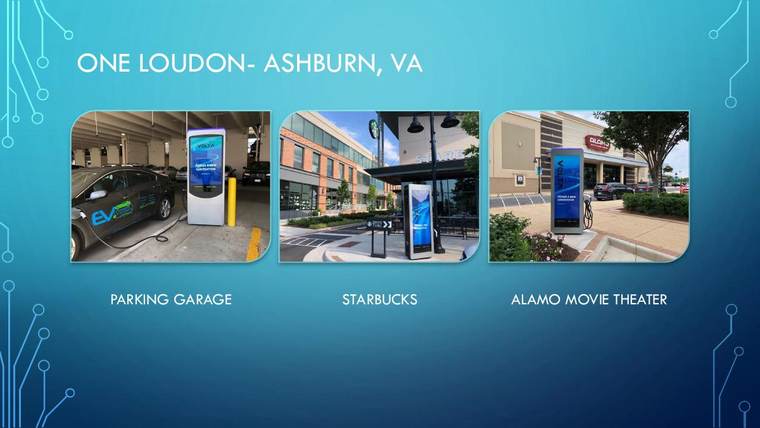
Our published portfolio includes multifamily charging work at Nine on the Hudson, alongside retail, workplace, municipal, and DC fast-charging projects across New Jersey and the region. That is why the assessment starts with the building’s electrical service and garage layout rather than a charger catalog.
View the Installation PortfolioFour stages, each with a decision point before the next one starts.
Building service size and condition, garage layout, existing electrical rooms, proposed charger locations, and how residents or tenants will access and pay for charging.
Written scope with equipment, electrical work, permit responsibility, and utility steps identified. Permit is filed before construction.
Electrical work, equipment mounting, conduit and wiring, and coordination with building management, the general contractor, or the tenant as required.
Inspection, functional charge test, network or account setup where applicable, and documentation of what was installed.
Answers that apply to most Jersey City projects.
Often yes, using load management that shares available capacity across ports. Whether that works depends on the existing service, the number of ports, and the building’s other loads. The assessment answers it before equipment is ordered.
We file the electrical permit and technical card for the scope we perform, through the city portal with the in-person technical form submission the city requires.
It varies by project and the utility sets the schedule. PSE&G requires a local inspection and certificate of approval before energizing, so the utility step is planned into the schedule rather than treated as a formality.
Yes. We scope to the building’s rules and the construction schedule, and coordinate with the site’s GC, engineer, or network provider where responsibilities overlap.
Send the property address, building type, and how many vehicles you need to charge. We will tell you what the service can support and what the permit path looks like.