Redefining Energy Independence through EV charging, solar, battery storage, V2H, demand response, and service.
Call 855-373-9566
Battery Storage & Energy Resilience

Battery Storage for Backup Power and Smarter Energy Use

Plan battery storage around the loads that matter most. EVCIA designs and installs residential and commercial systems for outage resilience, solar integration, and site-specific energy management.

EVCIA exterior installation of wall-mounted Tesla battery equipment
EVCIA battery projects

Battery Storage, Installed by EVCIA

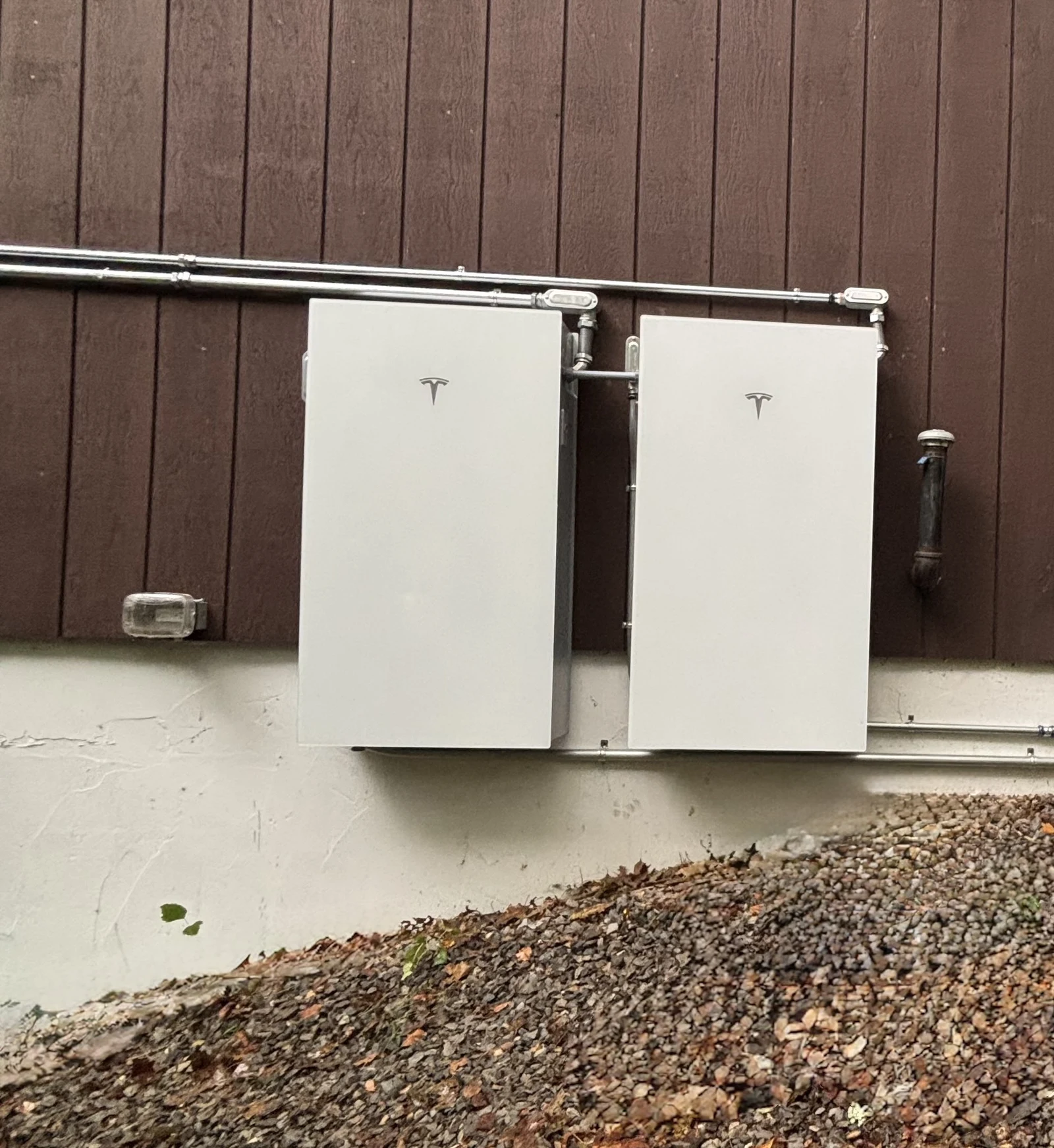
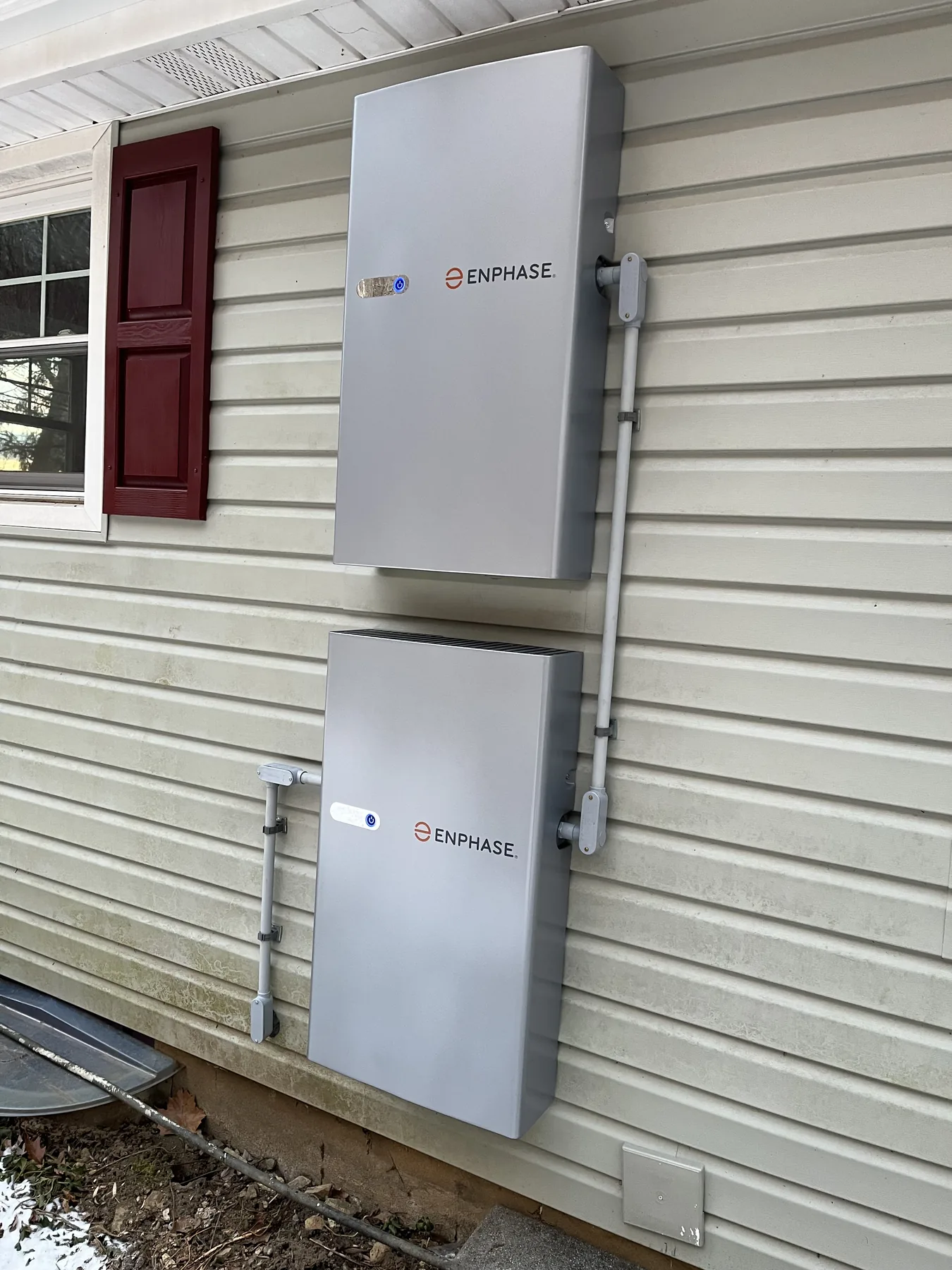
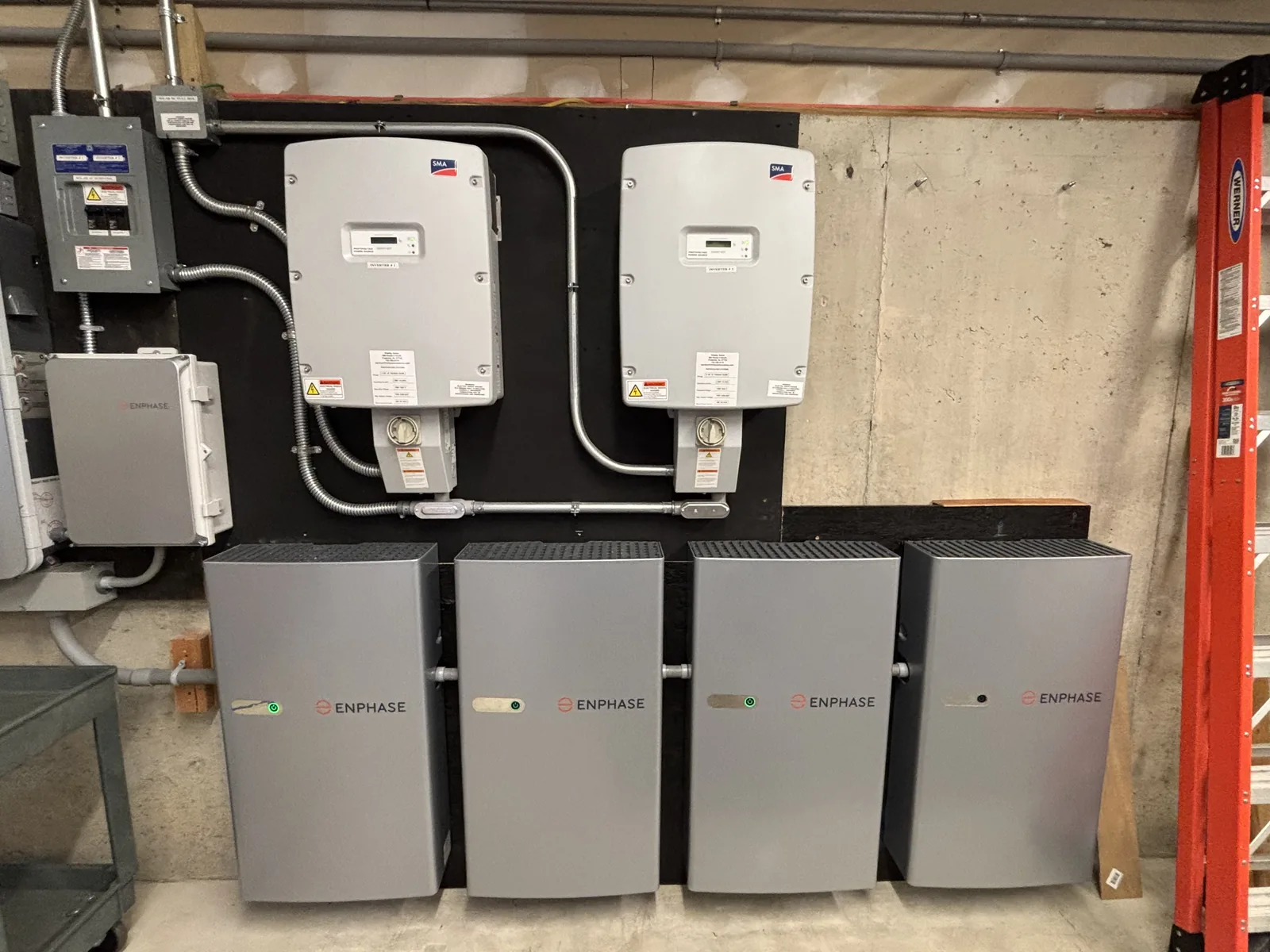
These three separate projects show different approaches to battery installation and electrical integration. EVCIA performed the electrical work, including the batteries, gateways, and associated electrical components.

Two wall-mounted Tesla battery cabinets with exterior conduit on dark siding
Exterior Wall-Mounted Battery Installation
Exterior wall-mounted batteries and electrical conduit.
Two stacked Enphase battery cabinets and conduit on a home's exterior wall
Compact Exterior Battery Installation
Exterior battery installation with a compact footprint.
Indoor battery cabinets below inverter and electrical interconnection equipment
Indoor Battery and Inverter Installation
Indoor batteries, inverters, and electrical equipment.

Each photo shows a different project. Manufacturer marks identify equipment, not a manufacturer partnership or a determination of GridSmart eligibility.

Home Battery Solutions

Backup Power for the Loads That Matter

Start with what you want to keep running during an outage: refrigeration, lighting, communications, selected appliances, or a broader set of home loads. Critical-load and whole-home backup options depend on battery capacity, power output, your electrical system, and the equipment you want to operate.

Make More Use of Your Solar Energy

A compatible battery system can store solar production for later use. We review the existing or proposed solar equipment, electrical connections, and backup goals to determine an appropriate integration approach.

Evaluate Rate-Based Energy Management

Where your utility rate and system settings support it, battery storage may help shift electricity use between lower-cost and higher-cost periods. Potential savings depend on your tariff, usage, system costs, and operating strategy—not simply on installing a battery.

Plan EV Charging Alongside Home Storage

EV charging can be a significant electrical load. Battery and charging plans should be evaluated together so that charging priorities, available power, and backup reserves fit your goals.

Commercial Battery Energy Storage Systems

Commercial BESS planning starts with your facility’s load profile, utility tariff, operating priorities, and electrical infrastructure. The right application depends on when your site uses power and what you need the system to accomplish.

Peak Demand Management

Evaluate whether controlled battery discharge during high-load periods could reduce billed demand. Feasibility depends on your demand profile, tariff, battery sizing, and control strategy.

EV Charging Load Support

Assess battery storage alongside fleet, workplace, or public charging infrastructure. Storage may help manage short-duration charging peaks, but it does not eliminate the need to evaluate utility capacity and electrical-service requirements.

Backup for Selected Operations

Identify the equipment and processes that matter most during an outage, then evaluate backup capacity, transfer requirements, and expected runtime. Standard battery backup should not be assumed to provide uninterrupted, UPS-grade power.

Utility and Demand-Response Programs

Evaluate available programs where the site and equipment qualify. Participation, dispatch requirements, compensation, and backup-reserve settings must be reviewed before including program benefits in the business case.

What Determines the Right Battery System?

  • Backup priorities: Which equipment needs power, and which loads can wait?
  • Power requirements: Can the system supply the loads you want to run, including starting demands?
  • Energy capacity: How much usable stored energy is available for the planned loads?
  • Charging sources: Will the system recharge from the grid, compatible solar, or another approved source?
  • Electrical integration: What controls, transfer equipment, panel work, or service upgrades are needed?
  • Installation conditions: Where can equipment be installed safely and in accordance with applicable requirements?
  • Utility rules and rates: What interconnection requirements, tariffs, and programs apply?

Installed cost depends on these decisions. A site-specific proposal is more useful than a battery price alone.

From Backup Goals to an Installation Plan

1. Discuss Your Goals

Tell us about the property, existing equipment, outage concerns, and the loads or operating costs you want to address.

2. Review Loads and Site Conditions

We evaluate the electrical system, equipment compatibility, installation location, and relevant utility requirements.

3. Develop the Scope and Proposal

Define the intended application, equipment, electrical work, and project requirements before installation.

4. Install and Commission

Complete the agreed electrical installation, applicable permitting and inspection steps, and system commissioning.

Integrated Electrical Expertise

Battery storage is part of a larger electrical system. EVCIA’s approach connects storage with EV charging, solar, backup planning, and the underlying electrical infrastructure.

NJ Electrical Business Permit: 34EB01746100

Check Battery Incentives Before Finalizing Your Budget

Utility incentives can affect project economics, but customer, equipment, and contractor eligibility must be confirmed before relying on them.

PSE&G’s GridSmart Battery Program offers a $5,000 incentive toward qualifying home battery systems and the option for up to $25,000 in interest-free on-bill repayment for remaining installation costs. Program requirements apply, including installation through a participating contractor. Program availability and terms may change.

Battery Storage Questions

Can a battery power my whole home?

Potentially, but whole-home backup is a design decision—not a feature to assume. The system must have suitable power output, usable capacity, and electrical integration for the loads you want to operate. Some projects are better suited to selected critical loads.

How long will backup power last?

Runtime depends on usable battery capacity, how much electricity the connected equipment uses, battery reserve settings, and whether an available charging source can replenish the system. We evaluate runtime against your intended loads rather than promise a universal number of hours.

Do I need solar to install a battery?

Not necessarily. Some systems support standalone, grid-charged installations. Equipment capabilities, utility requirements, and your goals determine whether that approach is appropriate.

Can storage work with my existing solar system?

Often, but compatibility must be evaluated. Your inverter, electrical layout, controls, and backup requirements affect the integration options. Existing grid-connected solar does not automatically keep operating during an outage.

Can I charge my EV during an outage?

That depends on the backup system’s capacity, power output, and configuration. EV charging can consume a substantial portion of stored energy, so it needs to be considered alongside essential home loads. Vehicle-to-home backup is a separate application that requires a compatible vehicle and supporting equipment.

Explore Vehicle-to-Home & Backup Power →

What affects installed cost?

Battery quantity and capacity, backup scope, controls and transfer equipment, electrical upgrades, installation location, permitting, and utility interconnection can all affect cost. We develop the proposal around the site and intended use.

Will battery storage lower my electricity bill?

It may, depending on your utility rate and operating strategy. Savings should be evaluated against your usage and project costs. Backup resilience may be the primary benefit for some customers.

Can I receive a utility incentive?

Eligibility depends on the program, utility account, equipment, contractor, and current rules. Confirm all requirements before including an incentive or program payment in your budget.

Start With Your Goals. Build the Right Storage Plan.

Tell us what you want to keep running, how your property uses electricity, and whether you already have solar or EV charging. We will review your request and contact you to discuss the site and next steps.

Call 855-373-9566